Are There Two “Niida Shrines” in Kōchi? | Tracing the Origins by Visiting the Niida and Shinzenji Shrines
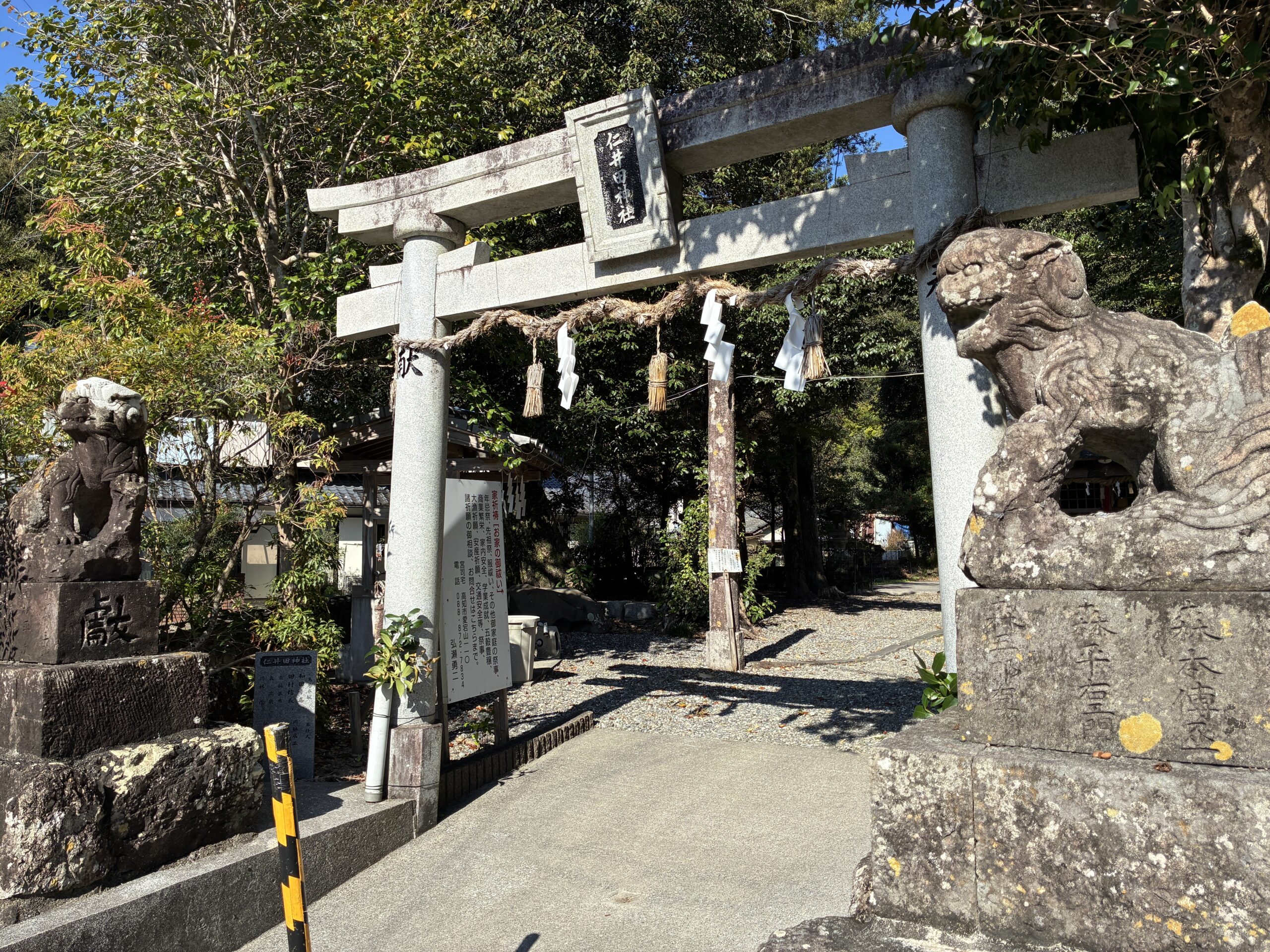
Kōchi City actually has two shrines with the same name: Niida Shrine. One stands in the Niida district and the other in Shinzenji. They share a name, yet their precincts, local memories, and hand-down stories feel subtly different. In this piece, we (a husband-and-wife duo) visit both shrines and use place-names and shrine traditions as clues to ask: “Why the same name?”
Visit Notes in Conversation


Niida Shrine in Shinzenji (north of central Kōchi)
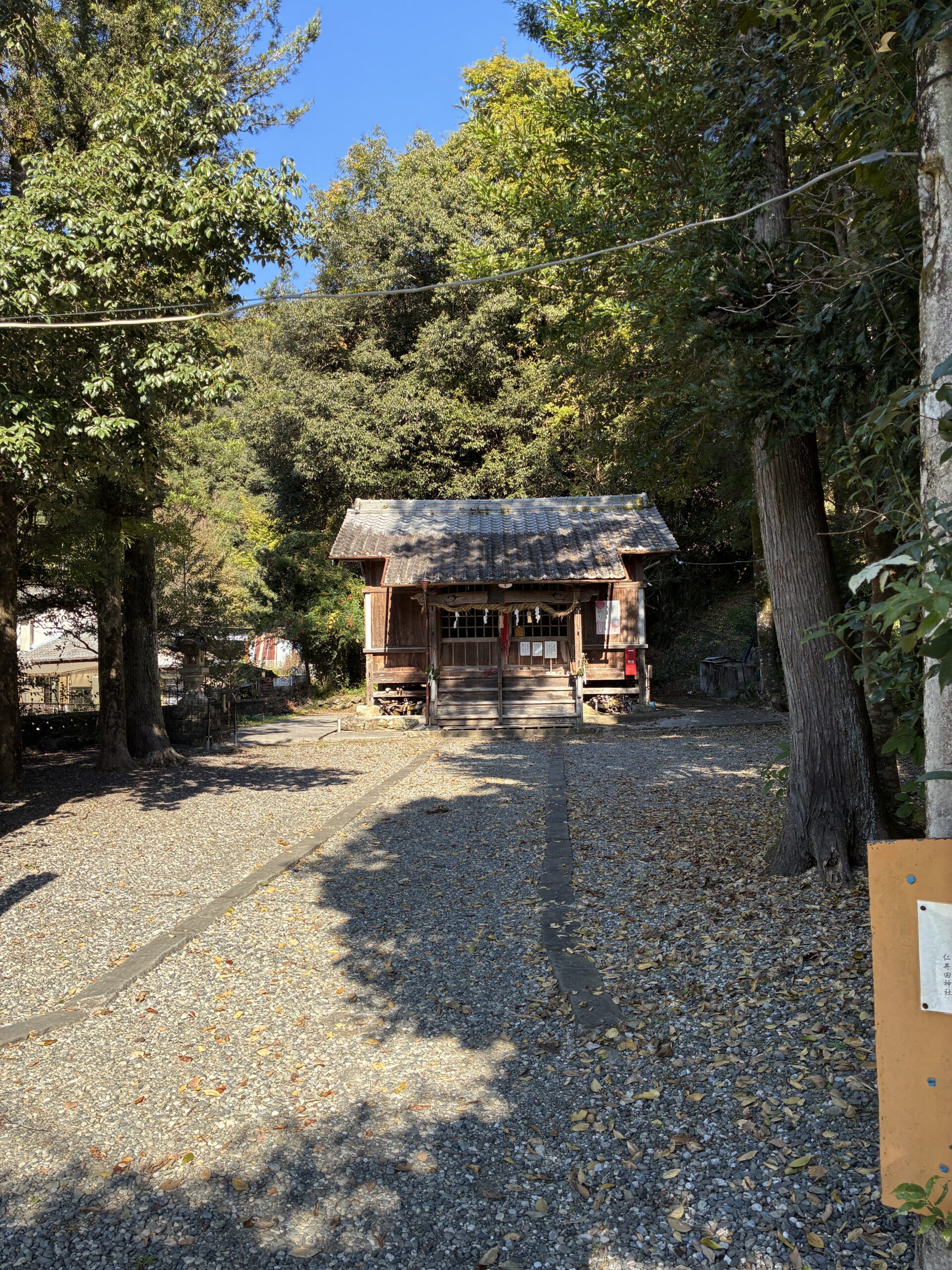
Local Story (Shinzenji)
Set beside a residential neighborhood in the city’s north, the Shinzenji Niida Shrine feels like a long-standing hub of everyday prayers. Community notices and careful upkeep suggest a living relationship between locals and the shrine—an example of how a place-name can come first and a shrine then “takes root” under that name.
Niida Shrine in Niida (south of Urato Bay)
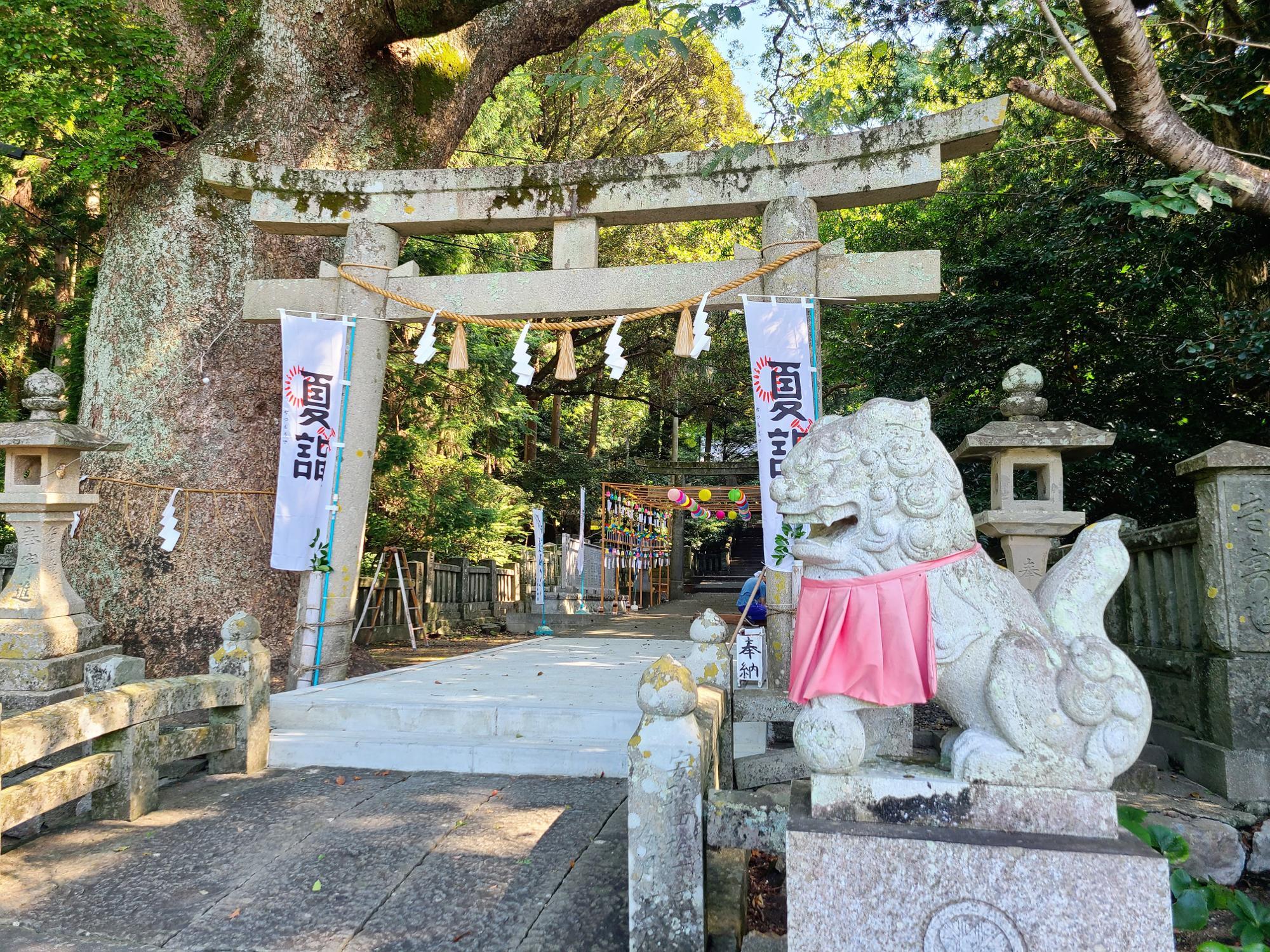
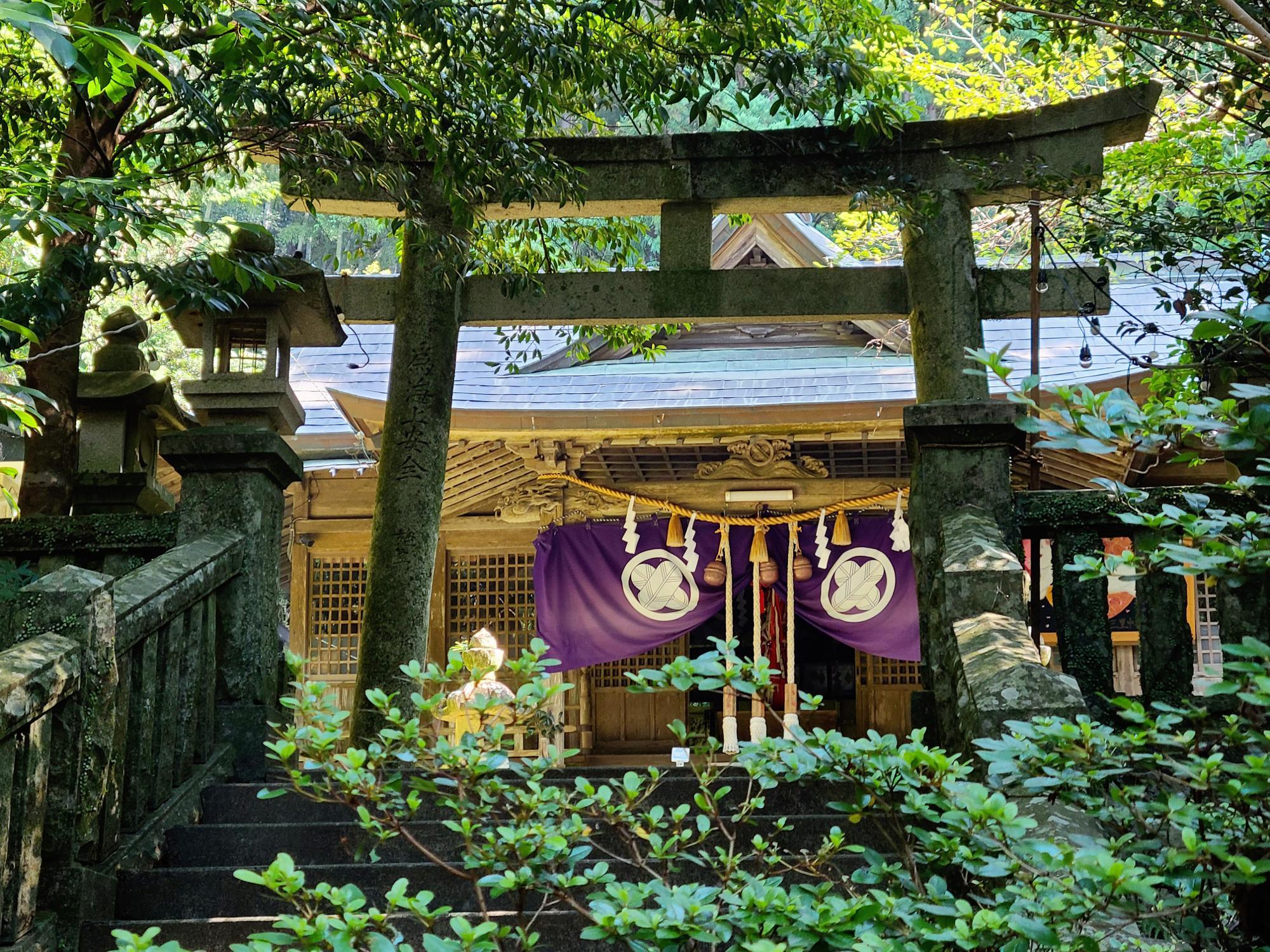
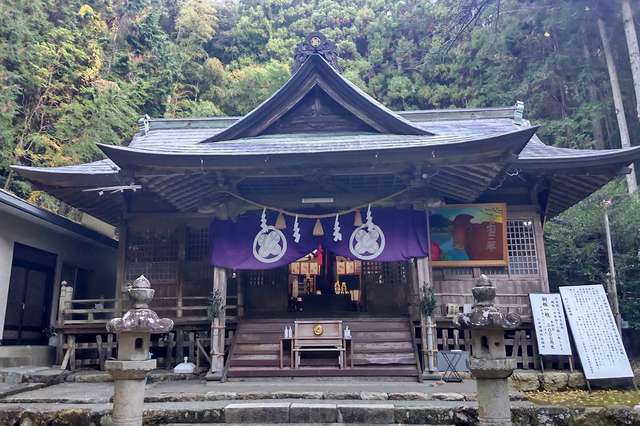
Local Story (Niida)
The southern Niida shrine seems closely tied to life around Urato Bay. Given the layers of new field development, fishing, and salt-making here, the sound and sense of “nii-da = new rice fields” feel apt. The place-name likely preceded the shrine name, helping similar “Niida Shrines” appear in multiple locales across Japan.
Why the Same Name in Multiple Places? — Exploring the Origin
- “New rice fields” theory: As newly developed paddies spread, the place-name Niida arose in multiple regions and the characters 仁井田 were applied.
- “Fields rich in wells” theory: In low, spring-fed areas with many wells, locals may have called the paddies niida, later written as 仁井田.
Place-names are long accumulations of life and language. When similar environments and development histories overlap, it’s natural to see identical place-names—and shrine names—emerge independently.
Column: What’s the Link with Emperor Kōrei?
Many shrines around Japan associate their origins with Emperor Kōrei. Because much of this lore was transmitted orally and compiled later, it often works as a community self-introduction through imperial tradition. Historical verification needs care, but on site you can sense how the tradition breathes today by watching the shrine grove, festivals, and parishioners’ activities.
Access & Maps
Niida Shrine in Shinzenji (Kōchi City)
Niida Shrine in Niida (Kōchi City)
Tips for Visiting
- Both shrines border quiet residential areas—please keep voices low, especially early mornings and evenings.
- Always check on-site notices for festival dates and parking guidance. Treat on-site information as the latest.
- When photographing, keep worship first and avoid capturing other visitors or nearby homes.
*This article reflects impressions at the time of our visit. For details on origins and festivals, please refer to notices at each shrine and official local guidance.